
Panic!
How does one of the most remarkable metal detecting finds in recent history shed light on the story being told in the Bayeux Tapestry today?
From its beginnings in the Tower of London, adjacent to the executioner’s block, the Royal Mint has a history intertwined with the grim and grotesque! Join us in exploring the dark corners, from the hidden skeletons buried beneath the Royal Mint at the Royal Mint’s ancestral home, to the coin-makers who lost their hands, their minds, and even their lives at the hands of the nation’s coinage. Ghostly goings-on and spooky legends have followed the Mint throughout each of its three locations, and even worked their way into legends about coins themselves.
Caustic Coins and Toxic Chemicals
Minting in the Middle Ages would have involved the moneyers, or people who make the coins, getting up close and personal with all kinds of horrible chemicals. These would have formed part of the refining processes but were also present in the metals themselves such as lead and mercury. While modern industry treats chemical exposure with care, the personal protective equipment available in the medieval Mint wasn’t quite as good…
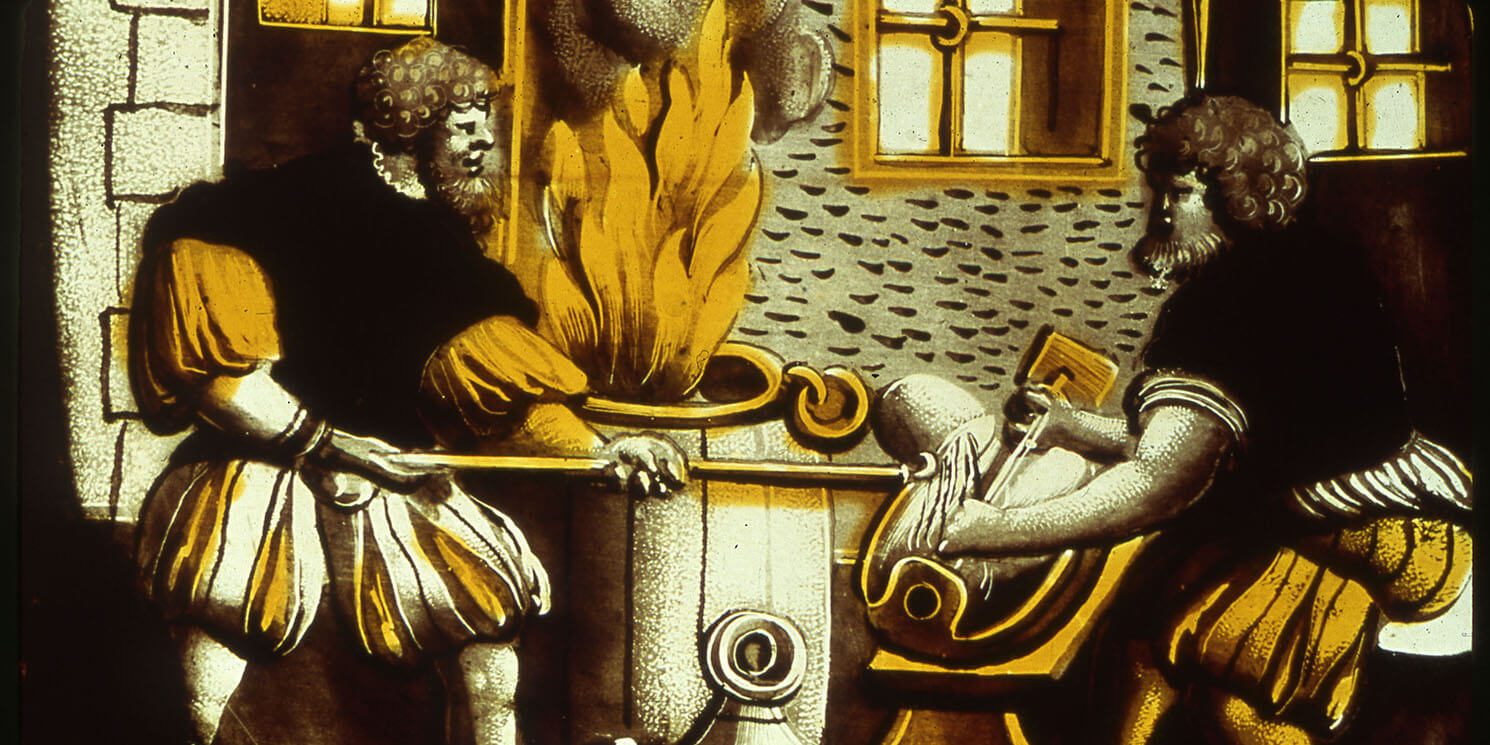
Glass painting of a 16th Century mint workshop
In 1547, a Mint worker by the name of William Foxley is recorded as having fallen asleep for over two weeks probably due to heavy metal poisoning. The royal doctors present at the Tower of London, and even Henry VIII himself, could not wake him, until after the fifteenth night he awoke of his own accord and continued about his business as if nothing had happened.
In 1561, a group of German refiners fell desperately ill, having worked at the Mint for some time with a great many such chemicals including mercury. The cure for their maladies, so it was believed, was to drink milk directly from the skull of a condemned criminal – decaying brain matter and all! How exactly they acquired the skull we can’t be sure, but the Mint was at this time at the Tower of London, where condemned criminals were held and executed.
Byward Angel
Hidden but ever-present at the Tower of London is the Byward Angel, a vast and intricate fourteenth-century wall painting of St Michael the Archangel, housed in the Byward Tower. Once part of the King’s Exchange, which was among the part of the Tower given over to the Royal Mint, this depiction of Saint Michael would have overseen Mint workers handling some of the most precious and valuable coins in the Tower.
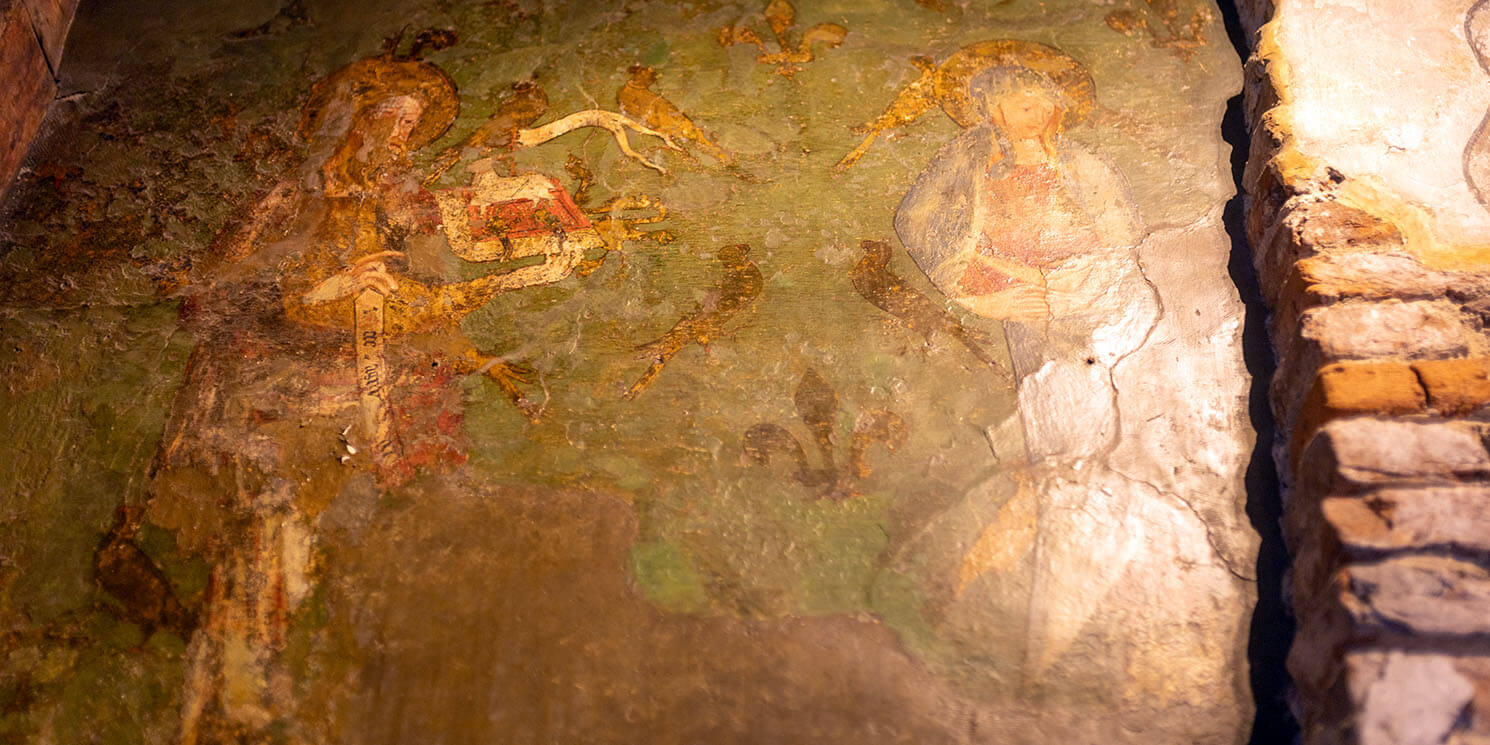
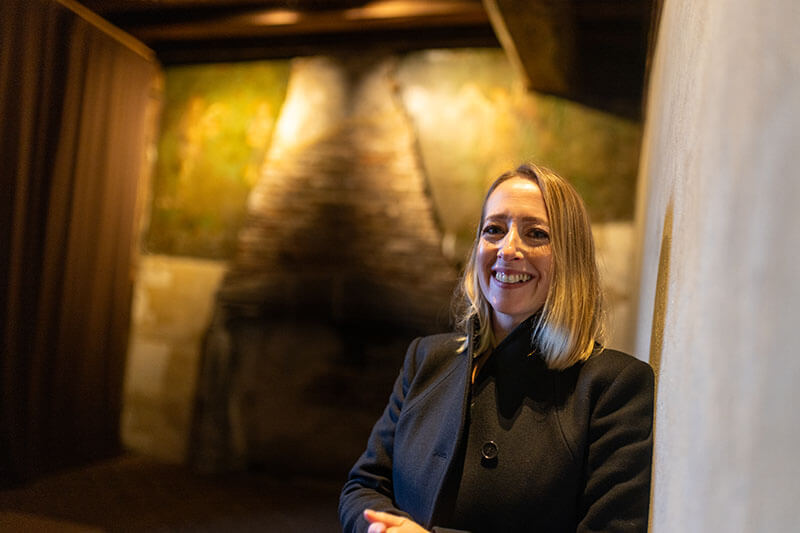
Part of the Byward Angel fresco at the Tower of London. With thanks to Historic Royal Palaces
Saint Michael holds a set of golden scales and is said to weigh the souls of the dead, at the Last Judgement, to determine who goes to heaven or hell, and who might be condemned to a significant stay in Purgatory.
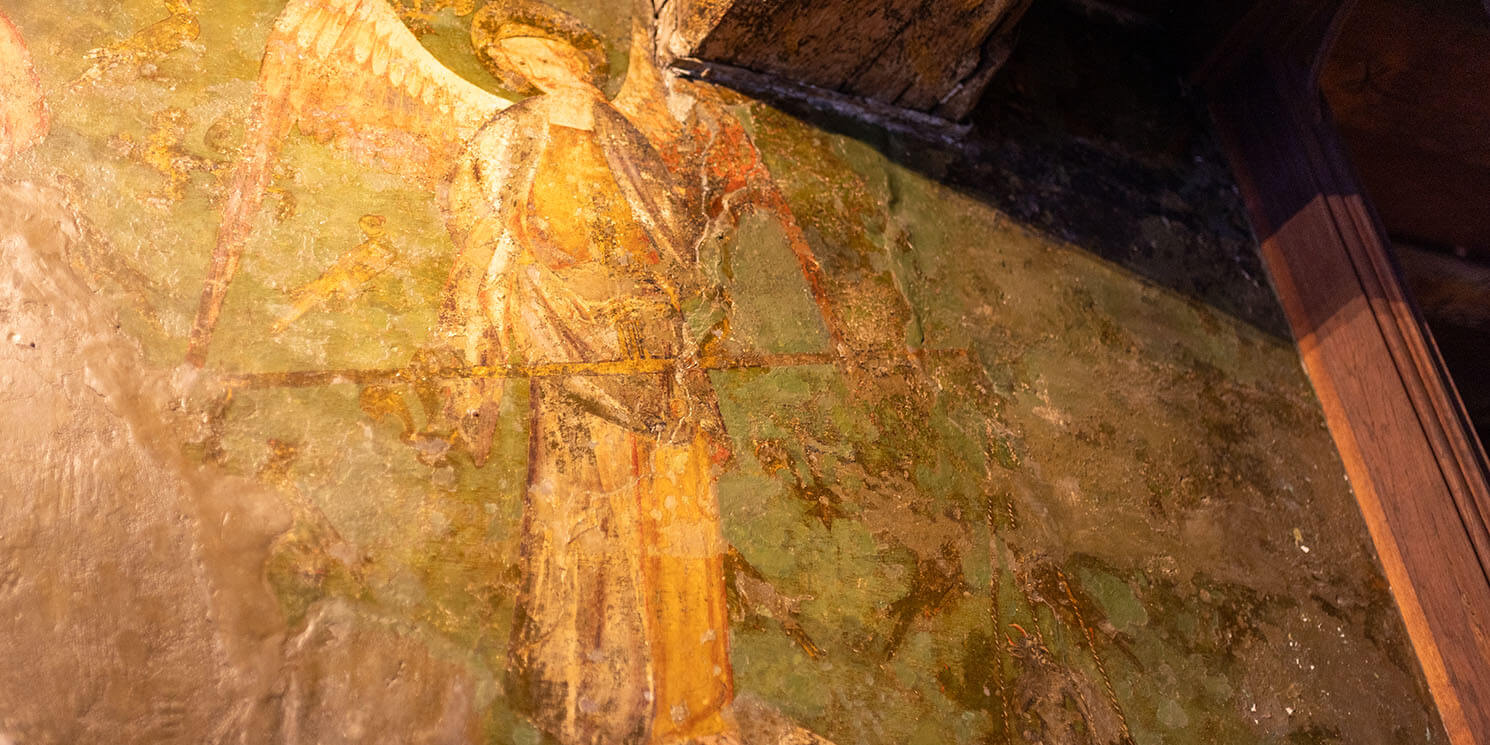
Saint Michael holds a set of golden scales as part of the Byward Angel fresco at the Tower of London. With thanks to Historic Royal Palaces
To medieval Mint workers, this image carried a powerful message. It was a warning to be honest and trustworthy as their every deed would ultimately be weighed and judged.
The painting gradually vanished beneath layers of limewash for hundreds of years and wasn't rediscovered until the 1950s. It’s too fragile for public access, but the Byward Angel is still there, watching from above.
Death at the Tower
Death was a regular part of life at the Tower of London during the time the Royal Mint was present from c. 1279 to c. 1810. The Tower was even surrounded by a moat, which is now dry, out of which bodies had to frequently be fished in varying states of decay. The Tower of London served as a prison and an execution site, and some of the wealthier and higher status prisoners were even imprisoned in Royal Mint buildings, for a slightly less dreadful experience than the cells. Mint workers would have been witness to executions, perhaps even popping out on their lunch break to witness a quick beheading!
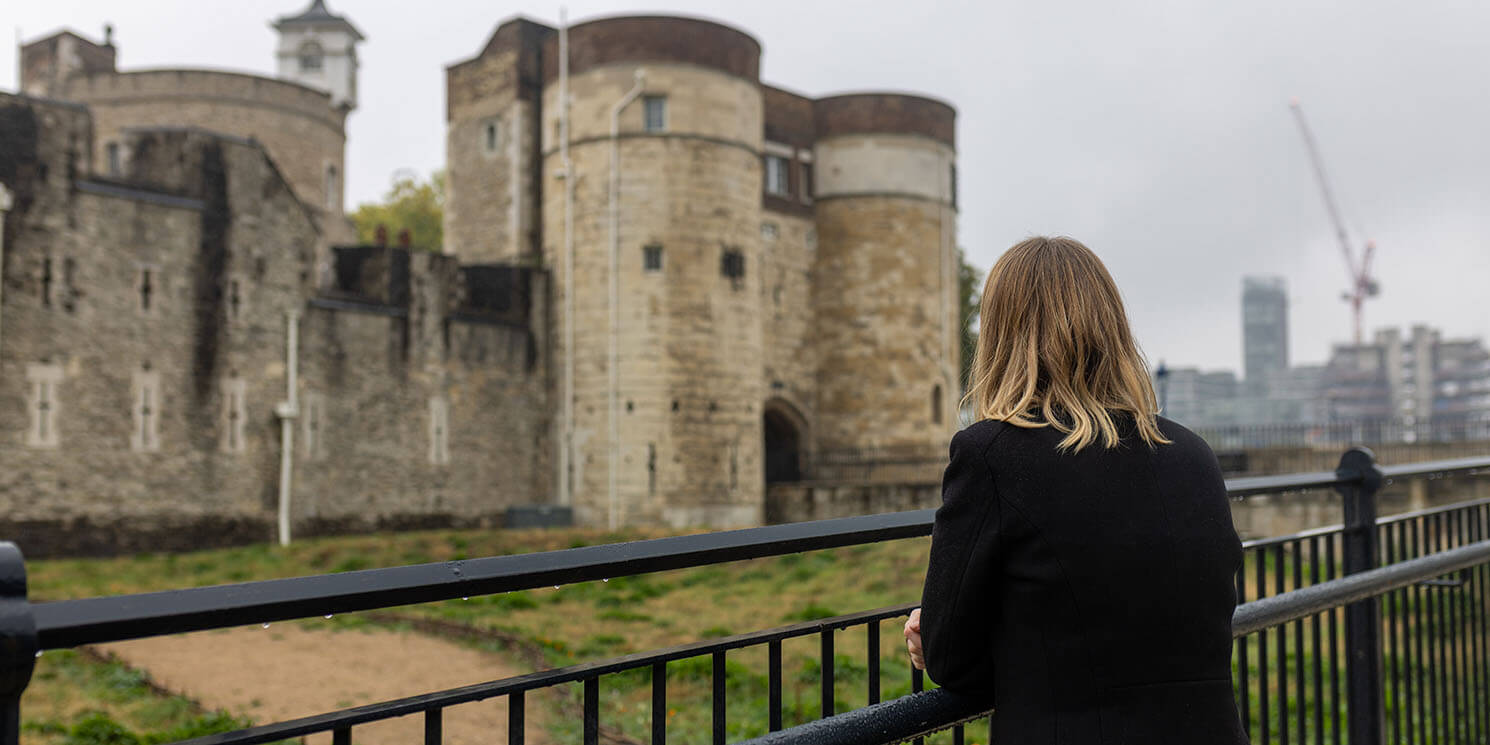
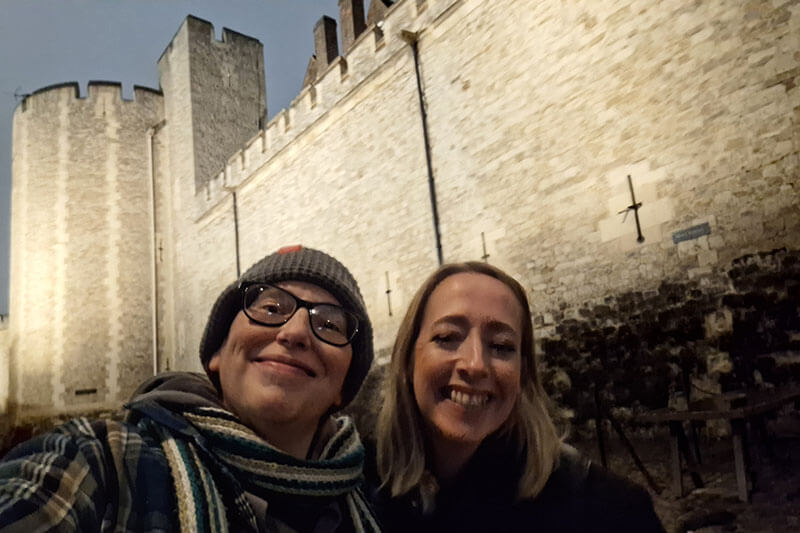
Secret Life of Coins presenter, Abigail, looking over what used to be the moat at the Tower of London. With thanks to Historic Royal Palaces
Ken Smith
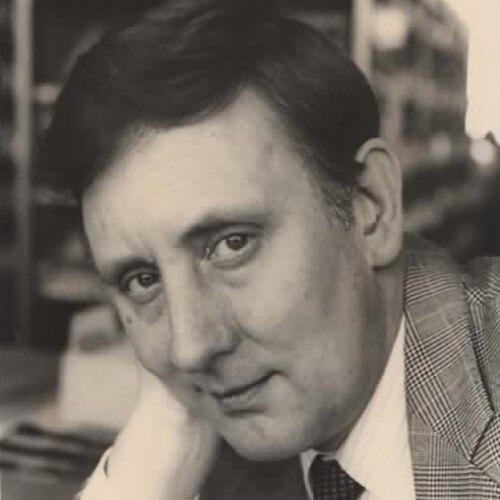
Ken Smith joined the Royal Mint as Deputy Chief Procurement Officer in 1966. At that time, the Mint was still based at Tower Hill in London, but it was not long before plans were announced to relocate operations to South Wales. In January 1968, Ken arrived at the new site in Llantrisant and later that year was present when Her Majesty The Queen officially opened the factory in December 1968.
How does one of the most remarkable metal detecting finds in recent history shed light on the story being told in the Bayeux Tapestry today?
Episode 6
Coins have long been used for entertainment. Join us as we explore vintage penny machines and speak with a magician about the enduring allure of coin illusions.
Episode 5
Coins have voiced protest, from Votes for Women to Bollocks to Brexit. In our latest episode, we uncover how currency became a canvas for public messages.